
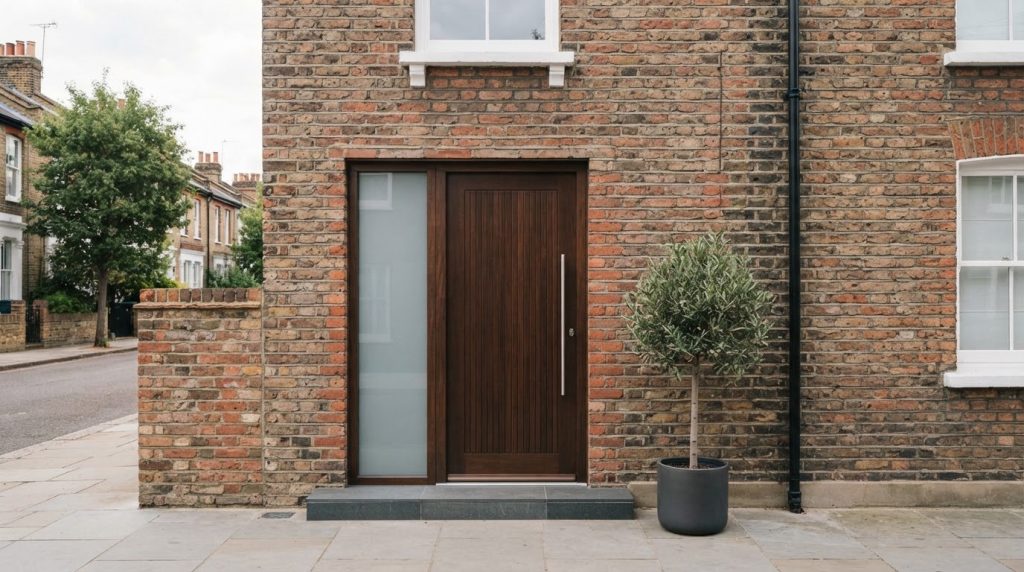
Timber Doors — Specifying External Doorsets That Stay Flat, Sealed and Compliant
External timber doors: leaf distortion classes, EN 14351-1, Part L U-values and how modified hardwood keeps doorsets flat and sealed.
External timber doors: leaf distortion classes, EN 14351-1, Part L U-values and how modified hardwood keeps doorsets flat and sealed.
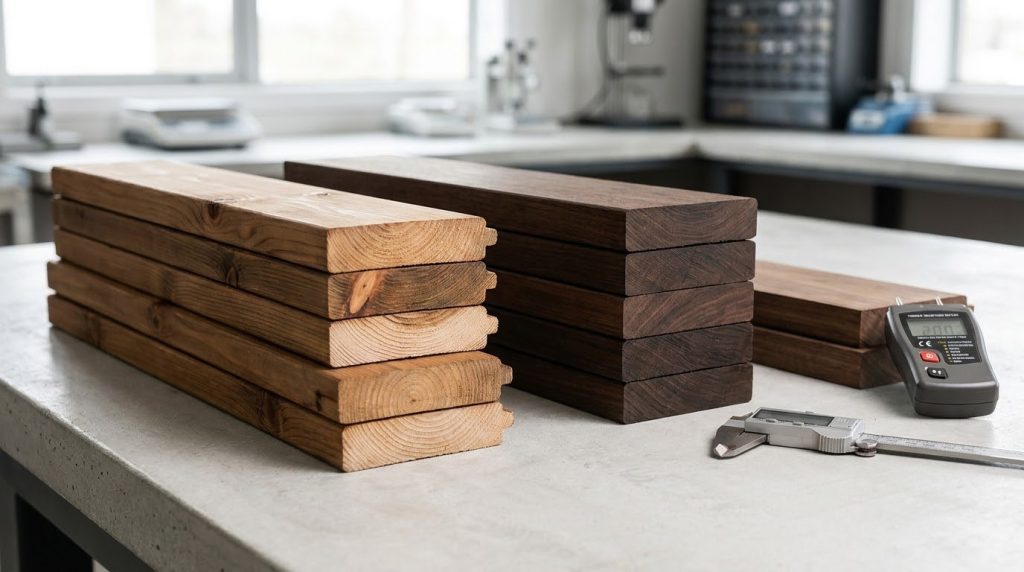
Thermally modified wood explained: process, Thermo-S vs Thermo-D, strength and fire limits, and when modified hardwood fits better.
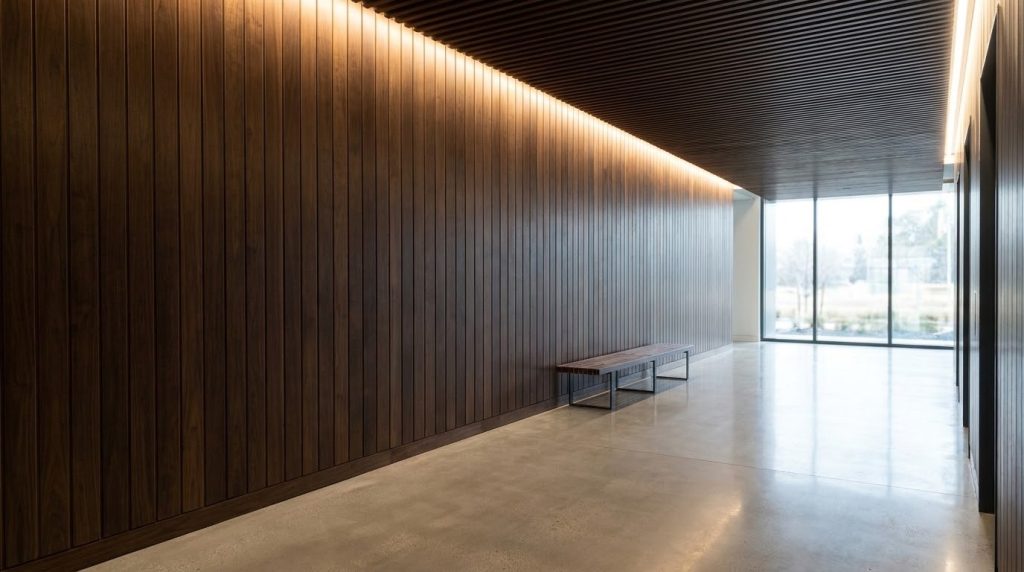
Wood panelling for commercial interiors: fire class by room type, joint movement and finishes, with verified modified hardwood data.
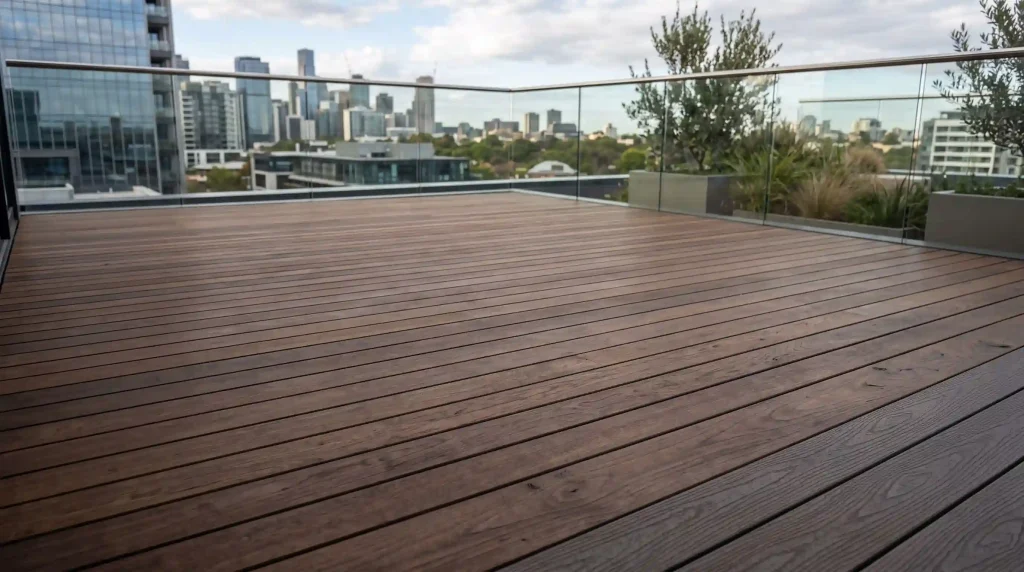
Composite Decking Alternative — When Modified Hardwood Is the Better Specification Composite decking suits projects where maintenance-free operation is the
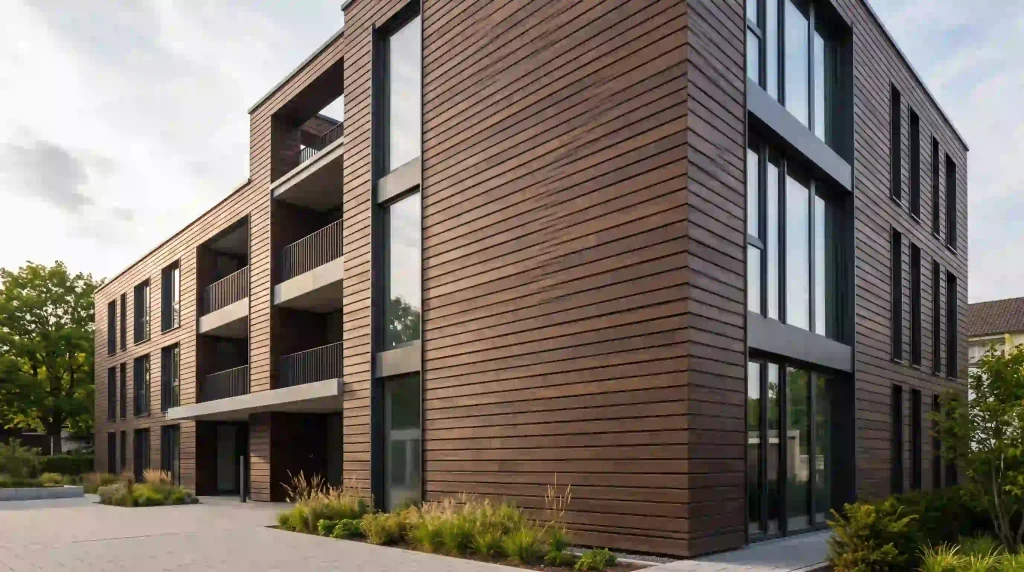
Exterior Timber Cladding — Why Modified Hardwood Outperforms Thermally Modified Timber Exterior timber cladding is not a single specification decision.
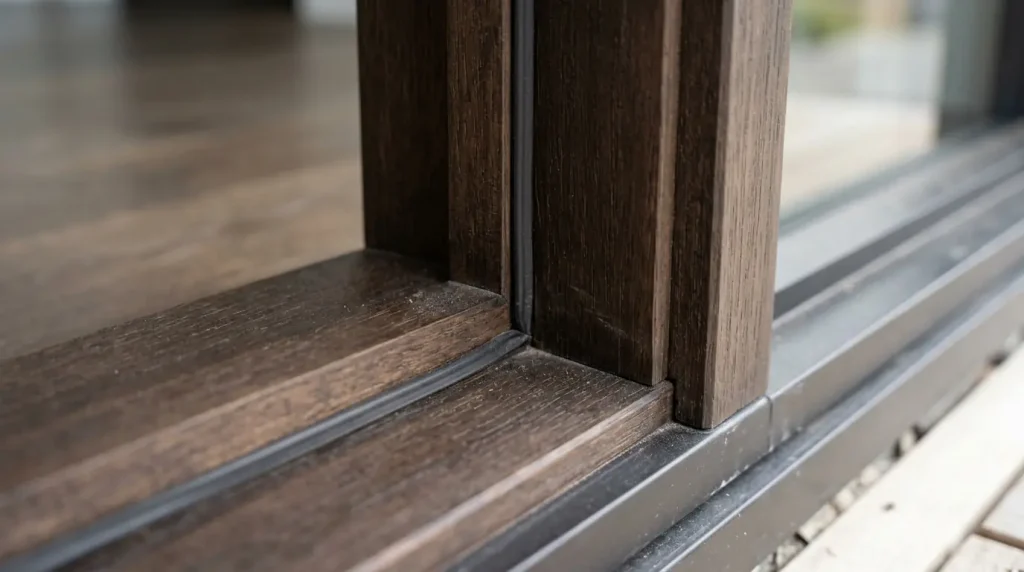
Timber Door Frames — Specifying Modified Hardwood for Long-Term Performance Timber door frames fail when the frame material moves too
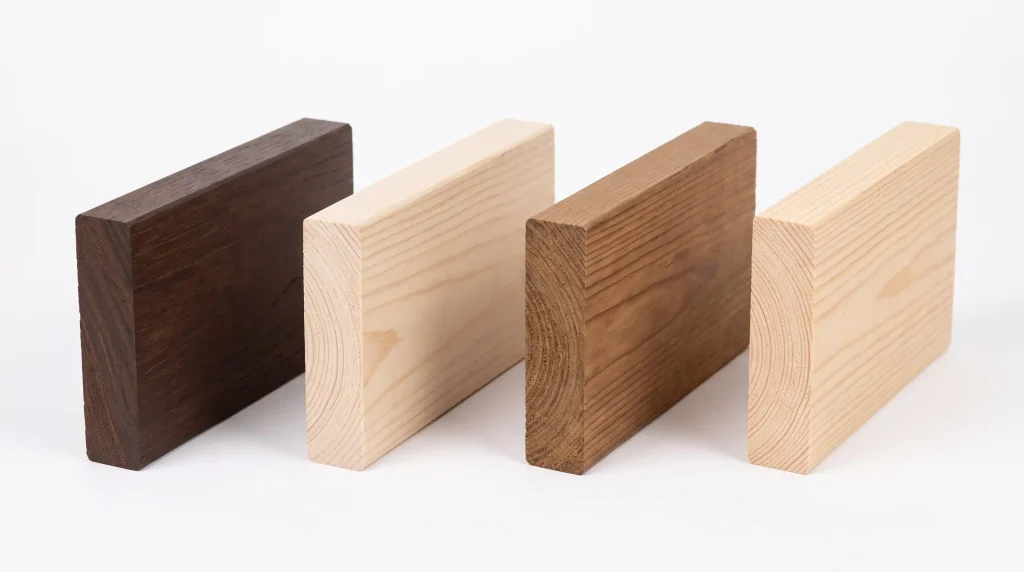
Modified Timber Comparison: Furan Resin, Acetylation, Thermal Modification and Preservative Treatment Modified timber covers four distinct technologies — furan resin
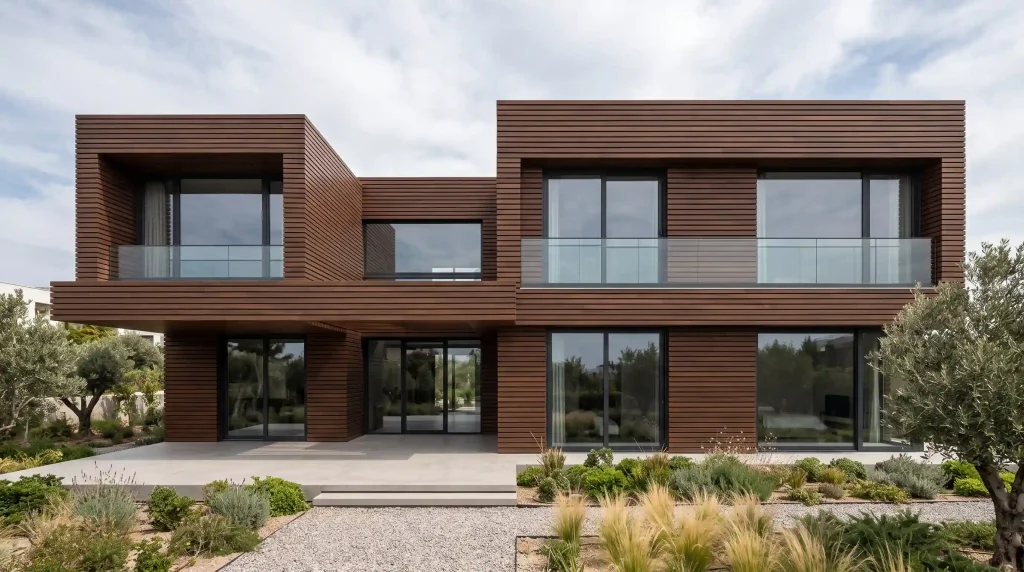
Hardwood Cladding — Why Species Choice Is Only Half the Specification Decision Hardwood cladding carries a durability assumption that is
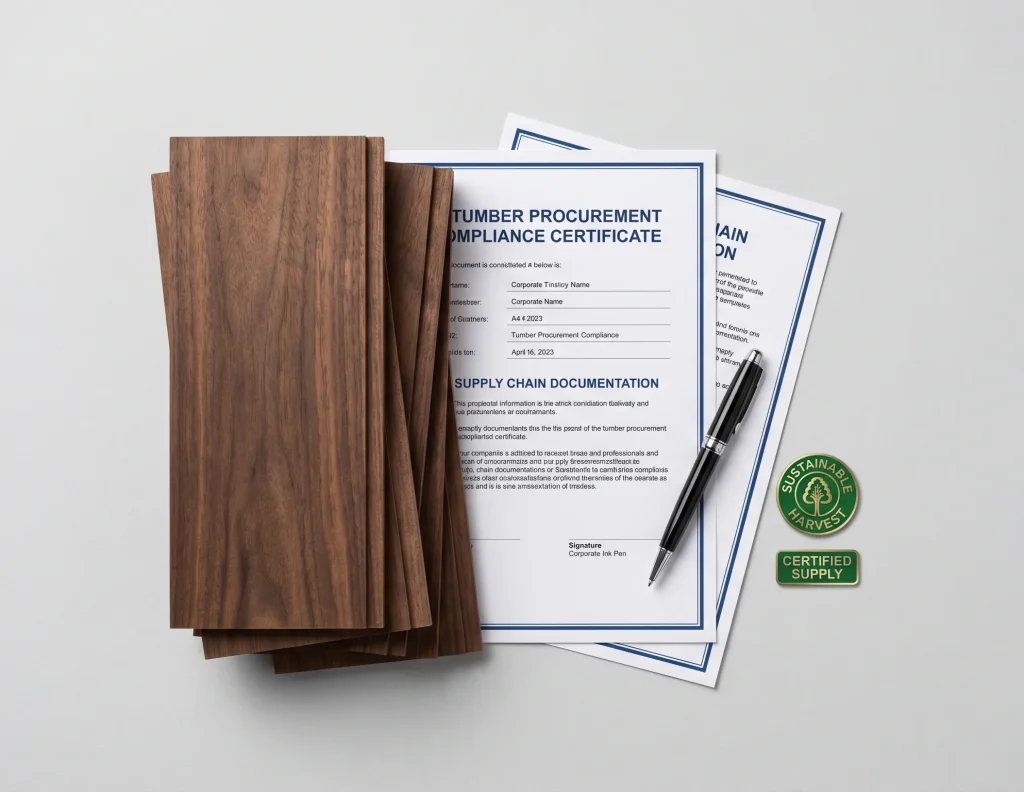
EUDR Timber Compliance — A Guide for Architects, Specifiers and Procurement Managers The EU Deforestation Regulation is not a distant
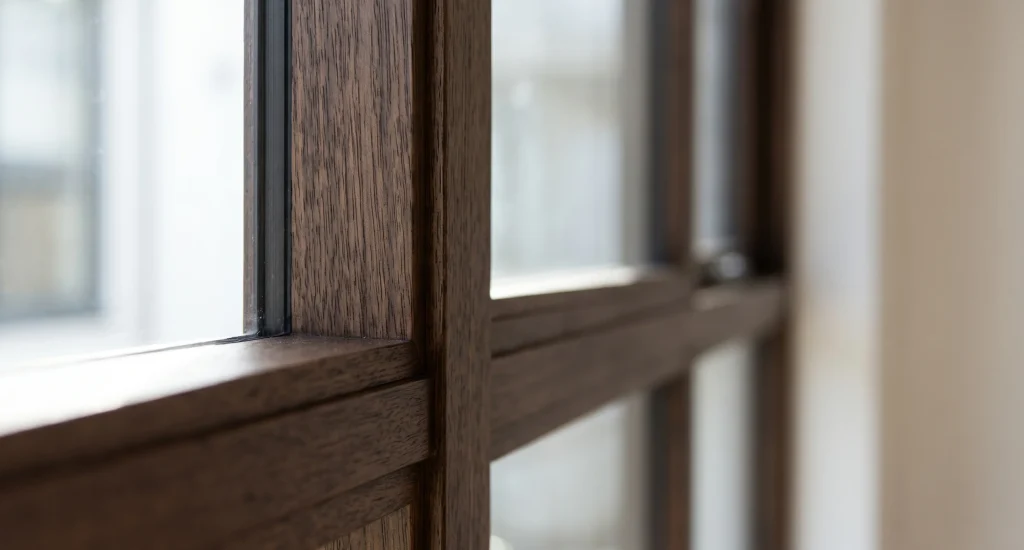
Timber Window Frames — Specifying Modified Hardwood for Long-Term Performance Timber window frames fail for a predictable set of reasons.
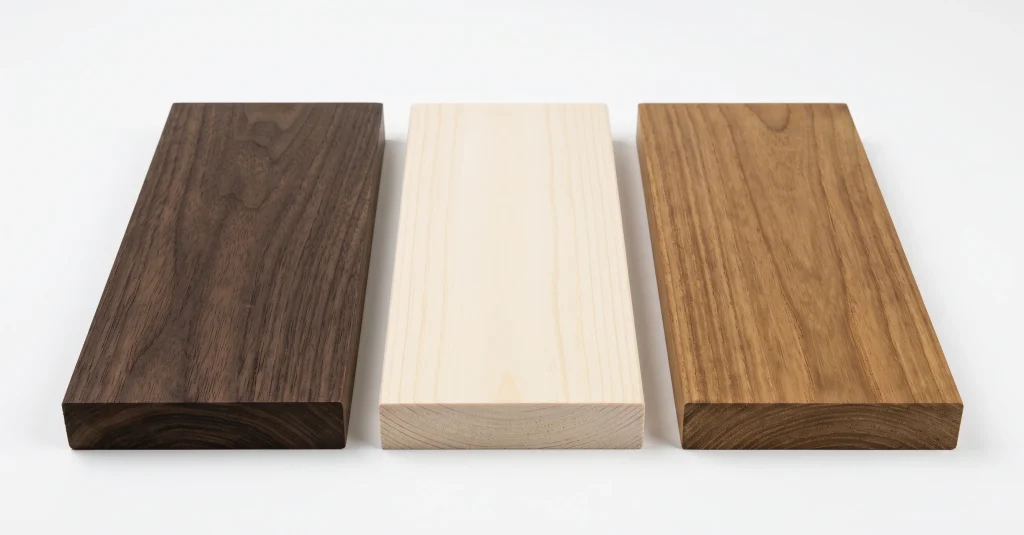
Modified Timber — Comparing Technologies for Specifiers The modified timber market has matured significantly over the past decade. What was
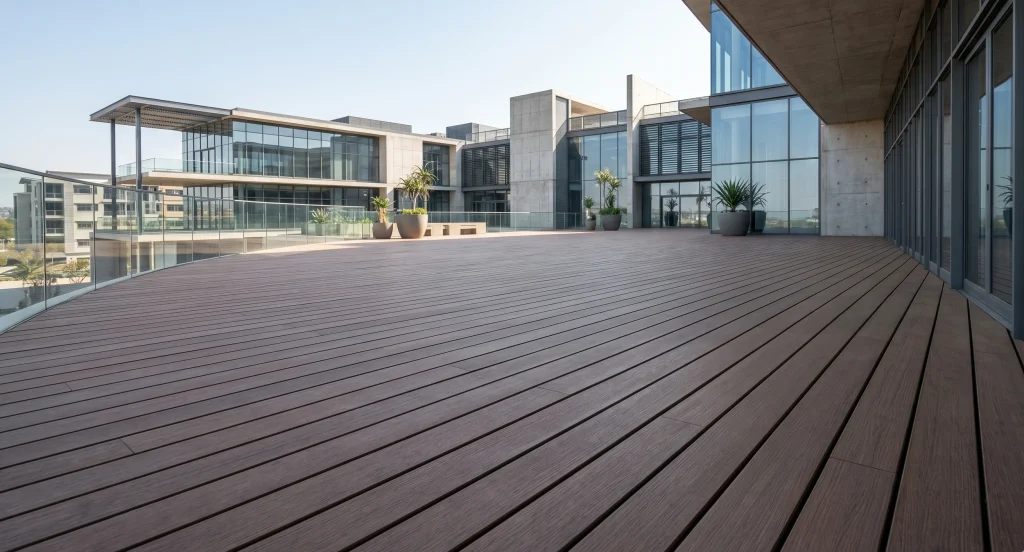
Hardwood Decking — Specifying Modified Wood for Exterior Performance The hardwood decking specification landscape shifted materially in 2025. The addition